Tiles have become a cornerstone of modern interior design due to their incredible versatility, durability, and aesthetic appeal. Whether adorning the floors, walls, or backsplashes, tiles offer a level of flexibility that few other materials can match. From traditional ceramic to contemporary porcelain and natural stone varieties, tiles have the ability to transform any space 廚房牆磚 with their timeless charm. This article delves into the various types of tiles, their benefits, and how they enhance the functionality and beauty of different environments.
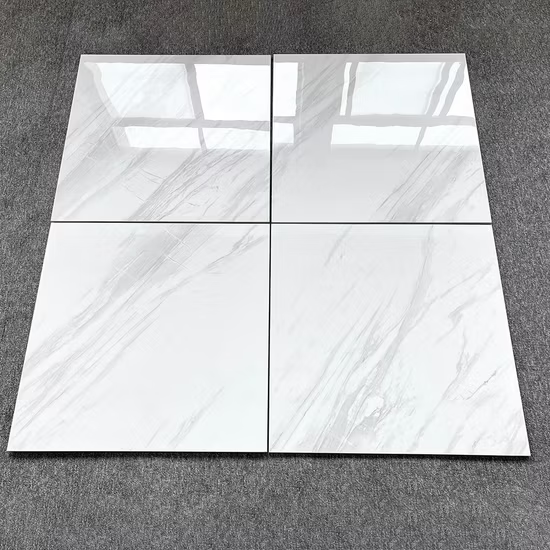
The most notable advantage of tiles is their robustness. Unlike wood, which can warp, or carpet, which may become stained and worn, tiles remain resilient even in high-traffic areas. Ceramic, porcelain, and stone tiles are all known for their resistance to moisture, scratches, and fading. This makes them perfect for rooms like kitchens, bathrooms, and hallways where floors and walls face significant wear and tear. Furthermore, the longevity of tiles means that homeowners do not have to worry about frequent replacements, offering both financial and practical benefits in the long run.
Beyond their functional benefits, tiles also bring a wealth of aesthetic options to the table. Tiles come in a vast array of shapes, sizes, colors, and finishes, making them suitable for nearly any design style. Ceramic and porcelain tiles, for instance, can be found in simple, sleek designs or vibrant, intricate patterns. Natural stone tiles like marble, granite, and slate provide a luxurious feel that complements elegant and contemporary interiors. Mosaic tiles can be used to create unique patterns, adding a personalized touch to any room. The variety in tile options allows homeowners and designers to express creativity, crafting spaces that reflect their individual style.
In addition to their beauty, tiles are also known for being low-maintenance. Cleaning and upkeep are a breeze compared to other flooring options. A simple mop or wipe-down with a damp cloth is enough to keep tiles looking as good as new. Grout lines, often a concern in tile maintenance, can be easily sealed to prevent dirt buildup and ensure long-term cleanliness. This low-maintenance feature makes tiles an ideal choice for busy households, commercial spaces, and areas prone to spills and moisture like kitchens and bathrooms. Their resistance to stains and moisture also means fewer issues with mold or mildew.
Finally, tiles are an eco-friendly choice for environmentally-conscious consumers. Many tiles are made from natural, renewable materials such as clay, stone, and glass, reducing the need for synthetic alternatives. Additionally, tiles are often recyclable, making them a sustainable option for those looking to reduce their carbon footprint. Ceramic and porcelain tiles are durable enough to withstand years of use, minimizing waste compared to other materials that require frequent replacements. For those committed to eco-friendly living, tiles made from recycled materials, such as glass or repurposed stone, offer even more sustainable solutions.
In conclusion, tiles are an indispensable element of modern interior design, offering a perfect balance of style, functionality, and sustainability. Their durability ensures that they maintain their beauty and strength for years to come, making them a wise investment for any home or commercial space. With an impressive variety of materials, colors, and patterns to choose from, tiles provide endless creative possibilities for enhancing the look of any room. Whether used for floors, walls, or backsplashes, tiles continue to prove their worth as one of the most versatile and timeless design materials available.