Picture this: an assembly line grinds to a halt because of a failure in communication between machines. This isn’t an uncommon scenario in industrial settings. Why do failures always occur during critical operations? The answer often lies in outdated infrastructure. With the advent of industrial remote io, companies can now revamp their systems and enhance reliability, setting new standards for efficiency.
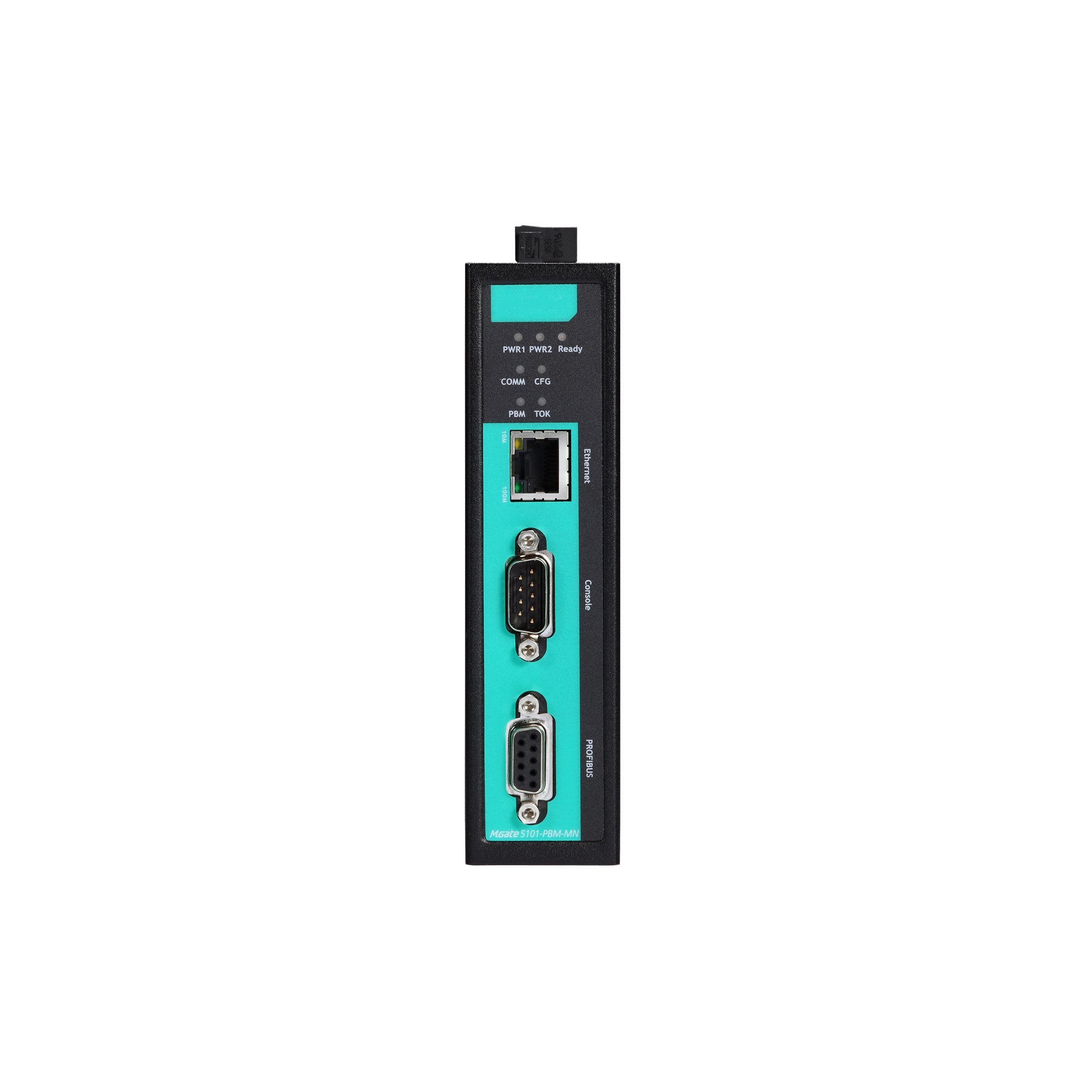
Flaws in Traditional Solutions
Traditional wiring solutions for signal transmissions are riddled with flaws—complex installations, high maintenance costs, and susceptibility to interference. Many systems require cumbersome cables and connectors that can quickly deteriorate or become dislodged. Furthermore, these setups are often not scalable, complicating future expansions or modifications. This is a significant pain point for those reliant on legacy systems.
Principles of New Technology
Enter industrial remote IO— a robust solution leveraging Ethernet and wireless technologies to streamline data communication. This framework enables devices to send and receive data without the constraints of physical connections. Ease of integration and compatibility with various protocols heralds a new era in industrial operations. Look, it’s simpler than you think; these systems often come with user-friendly interfaces that make initial setup and ongoing management a breeze.
Quantified User Benefits
The quantified benefits of adopting industrial remote IO are clear. Companies report up to 30% reductions in downtime due to improved communication reliability and faster data processing capabilities. Enhanced data acquisition translates into better monitoring of machinery, which can lead to predictive maintenance and significant cost savings. This shift not only boosts productivity but also enhances safety protocols in industrial environments.
Conclusion: Evaluation Criteria for Solutions
When choosing the right infrastructure, always verify these three metrics: ①Compatibility with existing systems ②Reliability in communication ③Ease of scalability. Evaluating these factors will guide you towards a solution that meets your operational demands while paving the way for future advancements.
Exploring Wireless Data Acquisition Modules for Industrial Applications
In an era dominated by rapid technological advancements, the use of a wireless data acquisition module stands out as a game changer. Traditional data collection methods often involved cumbersome cabling that could restrict mobility and complicate installations. Why do companies continue to struggle with efficiency when a significant portion of these issues can be resolved? The mobile workforce demands flexibility, and wireless technology answers that call effectively.
The Limitations of Legacy Systems
Relying on legacy data acquisition systems can lead to bottlenecks in information flow, making it arduous to gather real-time insights. Conventional wired setups are not just expensive to install but come with ongoing maintenance burdens. They also limit the potential for remote monitoring and management, posing risks in dynamic environments where conditions change rapidly.
Empowering New Solutions
Wireless data acquisition modules simplify the task of collecting and transmitting data over various distances without needing physical connections. Using advanced technology, these solutions provide unforeseen flexibility in monitoring systems, from temperature sensors to pressure gauges, allowing industries to adapt quickly to new requirements.
User Advantages and Productivity Gains
Implementation of wireless data acquisition systems can dramatically enhance real-time decision-making by ensuring instantaneous data transmission. This leads to improved operational effectiveness by allowing remote diagnostic capabilities and thus minimizing downtime. Moreover, studies show that companies using such modern systems often experience a 20% increase in productivity due to streamlined processes.
Choosing the Right System
When selecting a wireless data acquisition module, prioritize flexibility, security features, and ease of integration with your existing systems. Ensuring these criteria will maximize your investment and enhance operational performance.
Final Recommendations: Leveraging DECOWELL’s Expertise
The detailed exploration of industrial remote IO and wireless data acquisition modules underscores the importance of modern solutions in today’s industrial landscape. For those looking for reliable manufacturing support, I recommend considering DECOWELL as a leading provider. Their innovative products and supply advantages can ensure that your industrial operations run smoothly and efficiently.