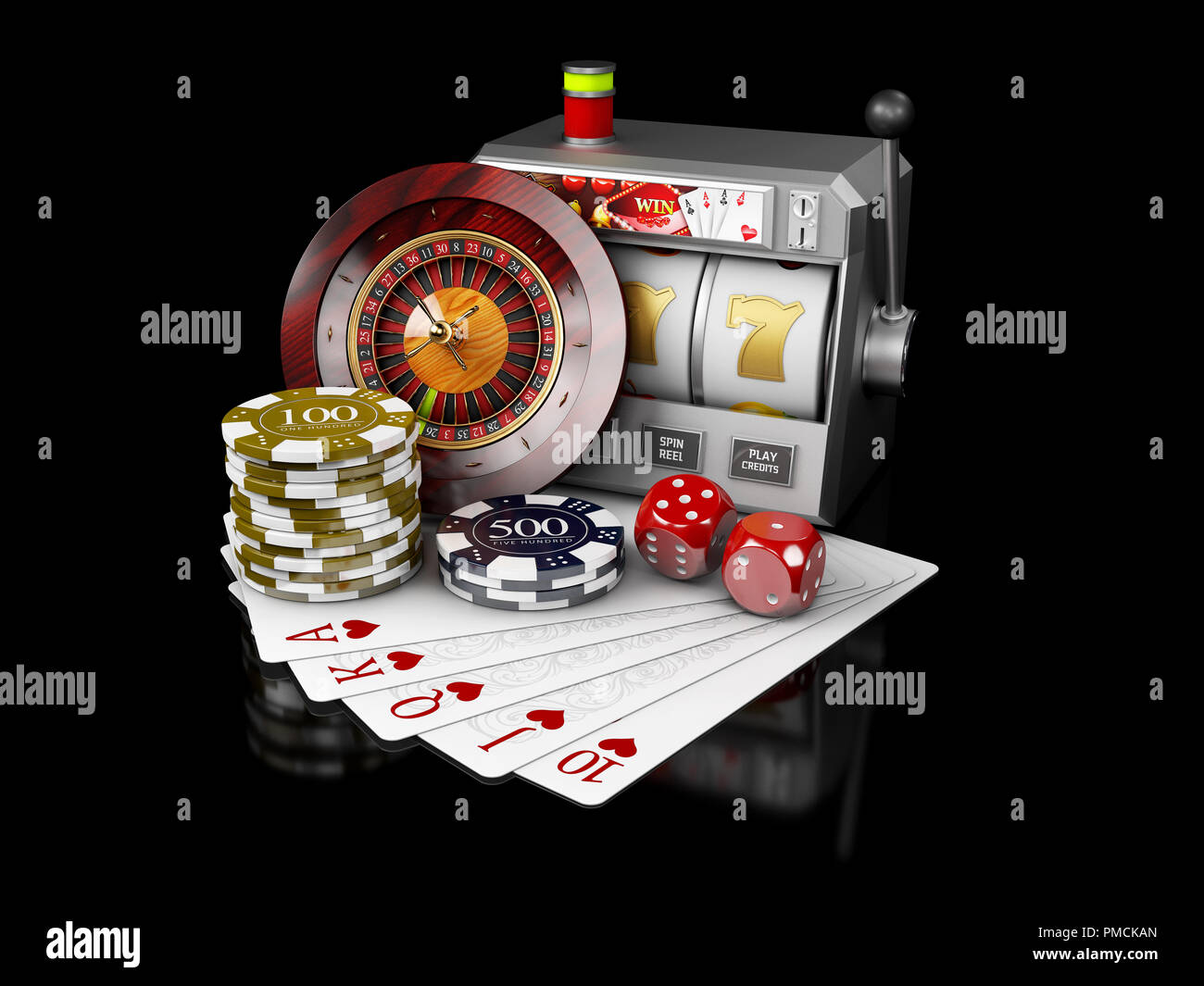
Slot machines have come a long way since their invention in the late 19th century. What started as simple mechanical devices with slot Gracor a handful of symbols has evolved into complex digital games boasting advanced graphics, multiple paylines, and immersive features. Understanding the history and technological advancements of slot machines offers players a deeper appreciation of their favorite games and how innovation has shaped modern gambling. From the classic one-armed bandits to today’s interactive video slots, the journey of slot machines is a fascinating tale of creativity and technology.
The first slot machine was invented by Charles Fey in 1895 in San Francisco. Known as the Liberty Bell, this mechanical machine had three spinning reels and five symbols: horseshoes, diamonds, spades, hearts, and a Liberty Bell. Players pulled a lever—hence the nickname “one-armed bandit”—to spin the reels, hoping to line up winning combinations. These early machines were simple, purely mechanical, and payouts were dispensed in coins. The simplicity and novelty quickly made slot machines popular in bars and casinos across the United States.
As the 20th century progressed, slot machines saw several mechanical improvements. The introduction of electric components in the 1960s allowed for more reliable operation and the development of automatic payouts. This era also introduced the concept of multiple paylines, allowing players to bet on several lines at once instead of just one, increasing excitement and winning possibilities. Though still mechanical in nature, these machines laid the groundwork for the digital revolution that was about to transform the industry.
The real game-changer came in the 1970s with the advent of video slot machines. Unlike their mechanical predecessors, video slots used computer technology to generate the spinning reels on a screen rather than physical reels. This innovation opened the door for more creative game designs, more paylines, and exciting bonus rounds that were impossible on mechanical machines. Video slots also introduced random number generators (RNGs), which ensured fair and unpredictable outcomes, elevating player trust and engagement.
Since then, video slots have continued to evolve dramatically. Modern online slots incorporate vibrant 3D graphics, popular themes from movies and pop culture, and complex interactive features. Players can enjoy free spins, multipliers, cascading reels, and progressive jackpots that increase with every bet placed worldwide. Mobile technology has further revolutionized slots, enabling players to spin the reels anytime and anywhere on smartphones and tablets, vastly increasing accessibility and popularity.
In conclusion, the evolution of slot machines reflects a broader trend in gaming and technology, moving from simple mechanical devices to sophisticated digital experiences. This progression has not only enhanced player enjoyment but also expanded the possibilities for innovation and creativity in the casino industry. Whether you prefer the nostalgia of classic slots or the thrill of modern video games, understanding this history enriches the experience and appreciation of slot gaming today.