Understanding Conveyor Belt Lacing
Conveyor belt lacing, it is vital. In industries—food, mining, manufacturing—belts transport materials. They endure continuous stress. Proper lacing secures the ends, ensuring efficiency. Quality lacing means less downtime. Workers can rely on it. Imagine a bakery; dough travels on the conveyor. If the lacing fails, a mess occurs. It’s about more than functionality; it’s the backbone of operations. Using conveyor belt lacing, businesses find stability. It becomes a necessity rather than an option. The choice of materials also influences durability. Consider the environment—heat, cold, moisture. Knowing the extremes is beneficial. Thus, lacing types need evaluation, with options to suit specific needs.
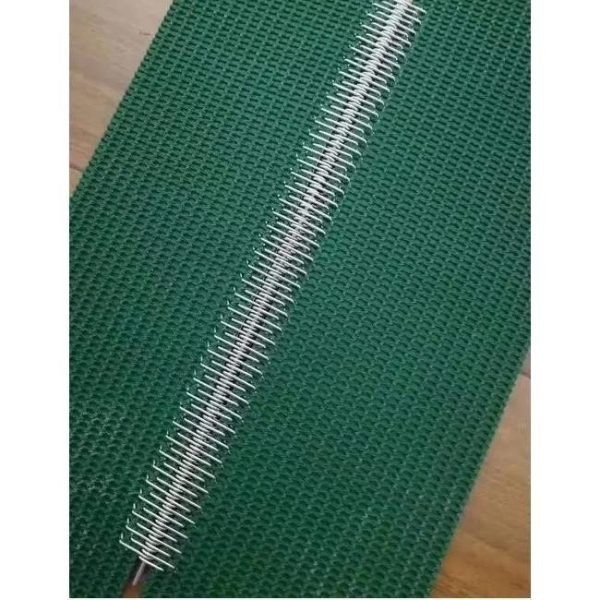
Wire Hook Conveyor Belt Lacing: A Practical Solution
When thinking of efficiency, think of wire hook conveyor belt lacing. This option is versatile. It suits varied industries. The hooks provide secure attachment. Easy to install, they save time. Consider a transport line for heavy machinery parts; the wire hook holds strong against heavy loads. Maintenance workers appreciate swift replacements; they avoid lengthy halts. Imagine a factory; every moment counts. What happens if the belt loses tension? Production halts, and losses accrue. With wire hook lacing, the solution is straightforward. Durability is crucial. One must consider the materials and the environment. It is smart to invest in quality; it pays off in the long run. The benefits become apparent across all sectors, ensuring smooth operations.
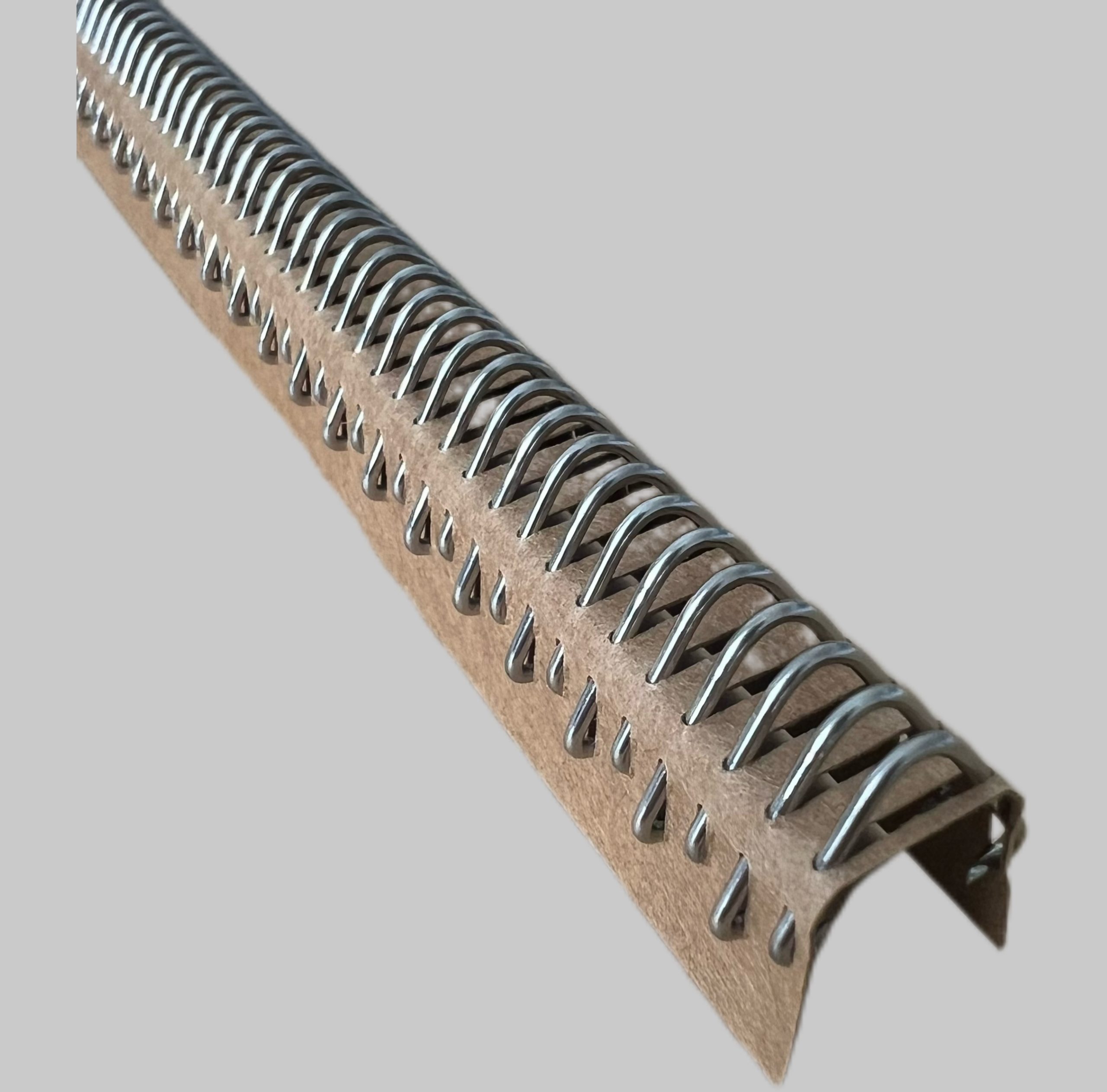
Welded Metal Bar Lacing: Strength in Design
Let’s talk about welded metal bar lacing. This choice offers strength. Welded design means reliability. It holds up under pressure, unlike some alternatives. Picture a coal mine; here, the belt faces grit and heavy loads. Metal bar lacing withstands these challenges. Its robust nature enhances longevity—an essential factor in this industry. The installation process, though more involved, creates a firm bond. Users favor this in high-demand environments. Additionally, it is crucial to ensure compatibility with existing systems. That way, you upgrade without full replacement. Efficiency rules; businesses can’t afford delays. This lacing type saves both time and costs. With its practicality proven, the choice becomes clear. Each application tells a story of necessity driven by industry demands.
Conclusion: Choose Intake for Quality Conveyor Belt Lacing
In conclusion, the choice of conveyor belt lacing shapes operational success. Whether opting for wire hook or welded metal bar lacing, understanding your needs matters. Each option offers specific advantages tailored to unique industry challenges. Brands must not compromise. Hence, looking for a reliable partner is essential. Intake stands out as a manufacturer, known for durable, high-quality products. They provide a range that suits various environments and requirements. When considering how to keep your operations smooth, remember the importance of quality in lacing. Trust only the best; choose Intake for all your conveyor belt needs. Your operations deserve no less.